Autism Awareness Month: April 2013

April is Autism Awareness Month and World Autism Awareness Day on 2nd April was observed and celebrated across the world, from Islamabad to Ilford and Ipanema.  More than one in every 100 people is autistic and diagnostic rates are increasing all the time, so it’s really important to be autism-aware at all times of the year.
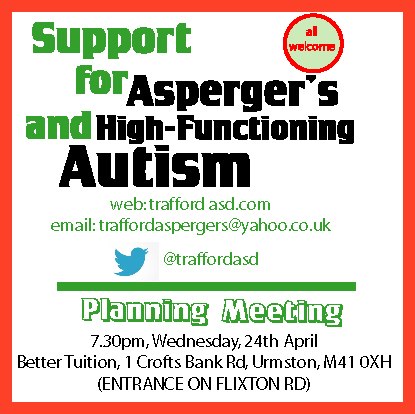
Newly formed support group for young people with Asperger's/ high-functioning autism.

Newly formed support group for young people with Asperger’s/ high-functioning autism.

We went to a pebble trail event in Lymm, which had been organised by Picthatevent, a local company who make personalised story books for children who suffer from autism/ Asperger’s/ anxiety.  Village traders had turned their windows blue for the day and there were posters and an awareness raising blue pebble trail around the village with flags, balloons and a biscuit at the end of the trail. The event raised money for the National Autistic Society.

As you may be aware, Better Tuition is hosting a meeting for a newly formed support group for children and young people with Asperger’s/ high-functioning autism.  The meeting is on Wednesday, 24th April at 7.30pm.  We want as many people as possible to find out about this.  Please print off a copy of the poster and distribute it wherever you think it will be useful:

meeting poster-colour

meeting poster-grayscale

The posters are in Word format.

The group (which still has no name) aims to support young people with or without a formal diagnosis of Asperger’s Syndrome/ High-functioning autism.  Please visit the group’s forum at www.traffordasd.com, or email for more information.  You can also follow the group on Twitter – so please do!

 

Print Friendly, PDF & Email
Posted in Aspergers, Autism, News and Updates, Special Education Needs | Tagged , , | 4 Comments

Year 6 SATs: Grammar, Punctuation and Spelling (Level 6) Checklist

Read Better Tuition's Grammar, Punctuation and Spelling checklists for Key Stage 2 SATs.

Read Better Tuition’s Grammar, Punctuation and Spelling checklists for Key Stage 2 SATs.

This test is being introduced in May for all Year 6 students.  Read our previous post on changes to Year 6 SATs.  You can use Better Tuition’s checklist to help you ensure your child has covered everything s/he needs for the test.  You can read the checklist below or download it as a PDF.  The Level 6 test will be 20 minutes long and may cover everything on the Level 3 – 5 test as well as the following areas: 


Example(s)


Types of Noun


Abstract nouns


happiness


Collective nouns


flock (of sheep)


Noun phrases

Noun = book

Noun phrase = the big book on the shelf

 
Personal pronouns  

I, you, he, she, it, we, etc.

 
Relative pronouns  

which, that, who, whom, etc.

 
Possessive pronouns  

mine, yours, his, hers etc.


Types of Adverb


Adverbs of manner  

happily, quickly


Adverbs of time


soon, later

 
Adverbs of frequency  

often, seldom


Adverbs of place


here, there, everywhere, around


Punctuation


Semi-colons


;


Colons


:


Verb forms


Active voice


Daniel won the competition.


Passive voice


The competition was won by Daniel.

 
Infinitive verb forms  

to go, to see, to think, etc.

 
Language features  


Antonyms

(opposites)

big/ small

good/ bad

 
Subordinating

connectives

Subordinating connectives link a main clause with a subordinate clause.

e.g. if, although, when, while, since, because

 
Co-ordinating connectives Co-ordinating connectives link words or phrases which are of equal importance.

e.g. but, so, and


SATs preparation is important in order to give your child confidence to tackle these important tests.  Your child’s results will be passed on to their new secondary school and very often used to set them according to ability.  If you need extra help, please do not hesitate to contact Paul Syrett or Christine McLaughlin on 0161 748 3912 to book a FREE assessment.  Many parents send their children to Better Tuition to help prepare them for Year 7.  Please give us a call to find out how your child could benefit from lessons at Better Tuition.


Print Friendly, PDF & Email
Posted in English, FREE downloads, Key Stage 2, literacy, Top tips | Tagged , , | 2 Comments

Year 6 SATs: Grammar, Punctuation and Spelling Test Checklist

[UPDATE: 1st February 2019 Read a more up-to-date post here about Key Stage 2 SATs here on our blog] The Grammar, Punctuation and Spelling test is being introduced in May for all Year 6 students.  You can use Better Tuition’s checklist to help you ensure your child has covered everything s/he needs for the test.
Read the checklist below or download it as a PDF.  If you are an educator and would like to adapt this resource for classroom use, please feel free to contact us and we’ll be happy to send you a Word file.  You can read more about changes to Year 6 SATs here.

The test will be 45 minutes long and will check whether students can:

 Identify and use:

 Language item

 Example(s)

 Common nouns

 table, boy, town

 Proper nouns

 Toby, Manchester, Better Tuition

 Pronouns

 he, she, it, we

*N.B. Your child will also be expected to know when to use ‘I’ and when to use ‘me’ – for example: Emily and I got to school late./ There will be extra homework for Emily and me next week.

 Adjectives

 green, big, fantastic

 Verbs

 run, read, say, think

 Adverbs

 quickly, aloud, timidly

*N.B. Your child will also be expected to know the difference between an adjective and an adverb (the former describes a noun and the latter describes a verb).

 Prepositions

 over, under, in, near

 Prefixes

 pre-, un-, dis-

 Main clause

The boy ran into the sweet shop, his pockets filled with coins.

Subordinate clause

The boy ran into the sweet shop, his pockets filled with coins.

 Connectives

 and, because, however, firstly, then

 Opposites

big, small

shiny, dull

 Understand and produce:

 Language item

 Example(s)

 Questions

 What is your name?

 Commands

 Put the book back on the shelf.

 Statements

 I have blue eyes.

 Homographs

We have no bread at present.I received a nice present on my birthday.

 Homophones

He peered through the misty window.She threw the ball to the dog.

 Synonyms

big/ large

red/ scarlet

 singulars

table, boy, lady, sheep, fish

Plurals, including irregulars

tables, boys, ladies, sheep, fish

Verb forms and tenses

we go/ they were/ I amYour child may be asked to change present tense verbs to past tense and vice versa, eg.She eats sandwiches./ She ate sandwiches.

Punctuate using (and know the terms):

 Language item

 Example(s)

 Full stops

 .

 Question marks

 ?

Exclamation marks

 !

Capital letters

ABC – your child will need to know that these should be used for proper nouns as well as the beginning of a sentence.

 Commas

 ,

 Apostrophes

Apostrophe of omission: can’t (the apostrophe replaces the letter ‘o’)Apostrophe of possession: the boy’s shoe (the apostrophe shows us that the shoe belongs to the boy).Your child will also need to know that words an apostrophe has joined together to make one word are known as contractions.

 Brackets

 (    )

Inverted commas

 “You may know these as speech marks.”

SATs preparation is important in order to give your child confidence to tackle these important tests.  Your child’s results will be passed on to their new secondary school and very often used to set them according to ability.  If you need extra help, please do not hesitate to contact Paul Syrett or Christine McLaughlin on 0161 748 3912 to book a FREE assessment.  Many parents send their children to Better Tuition to help prepare them for Year 7.  Please give us a call to find out how your child could benefit from lessons at Better Tuition.

Print Friendly, PDF & Email
Posted in Uncategorized | 7 Comments

Support for Asperger’s and High-Functioning Autism Update

Yesterday evening, Better Tuition hosted the first meeting of a dynamic new group of parents, carers and professionals who came together to discuss support for young people with Asperger’s Syndrome/ high-functioning autism.

Find support for Asperger's/ high-functioning autism in Trafford at www.trafforasd.com.

Find support for Asperger’s/ high-functioning autism in Trafford at www.trafforasd.com.

You can read all about the meeting on the group’s forum, but here are some observations I made:

1.  Support for under 10s with Asperger’s/ high-functioning autism is scarce in Trafford.  This is partly because it is so hard to get a diagnosis before the age of 10.  Even when a diagnosis is given, it is often accompanied by an discharge from CAMHS.  Parents and carers are quite desperate for support at an early stage, to prevent issues such as lack of social skills causing huge problems in later years.  The group aims to help children and young people of any age and a formal diagnosis of Asperger’s Syndrome/ high-functioning autism is not necessary.

2.  Parents and carers really benefited from being able to share experience.  Being a parent of a child with Asperger’s/ high functioning autism (and many other SEN or disabilities) is isolating; there is comfort in knowing others understand.  Furthermore, the daunting labyrinth of diagnosis and professional support services can seem almost impossible to negotiate.  Parents can share information that helps others access services more easily.  The group may well organise some coffee meetups for parents and carers in the future.

3.  There is a real need for teachers to become more aware of Asperger’s Syndrome/ high-functioning autism.  Autistic people have a different take on the world.  They don’t access information in quite the same way; this affects their ability to understand instructions, for example.  Because young people with high-functioning autism are generally very able, failure to understand a task can be mistaken for obstinacy. Group member Jayne Dillon has already met with a representative of Hearts and Minds, a local charity which plans to offer training in autism awareness to schools.

The meeting was extremely positive and full of energy, ideas and knowledge.

The group agreed to meet again at 7.30pm on 24th April 2013 at Better Tuition.  All are welcome.  You can visit the group’s forum at www.traffordasd.com or contact the group via email at traffordaspergers@yahoo.co.uk.

Print Friendly, PDF & Email
Posted in Uncategorized | 1 Comment

New Asperger’s Support Group Meeting in Urmston this Week

Better Tuition is hosting the first planning meeting of a new, as yet unnamed support group for children and young people with Asperger’s/ high-functioning autism on Wednesday of this week.  The group aims to support any young person who has Asperger’s Syndrome/ high-functioning autism.  Diagnosis of Asperger’s/ high-functioning autism is patchy and can take a long time, so you do not need a formal diagnosis in order to join the group.  “Nobody should feel excluded,” said Jayne Dillon, herself the parent of two children with Asperger’s Syndrome.

Aspergers/ High-functioning autism support meeting at Better Tuition.

Aspergers/ High-functioning autism support meeting at Better Tuition.

The planning meeting will take place from 7.30pm this Wednesday, March 20th, at Better Tuition, 1 Crofts Bank Road, Urmston, M41 0XH (entrance on Flixton Rd).  All parents, carers and interested professionals – as well as any of the young people the group aims to support – are invited to attend.

“We hope that parents and carers of young people with Asperger’s Syndrome will attend the meeting and help shape the group,” says Jayne Dillon.  Jayne has appeared on TV and in newspapers across the world, speaking about how her cat, Jessi-cat, voted Cat of the Year 2012, helped her son Lorcan overcome selective mutism, which can be a feature of Asperger’s Syndrome.  She is currently working on a book about this.  You can read more about Jayne’s appearances in the media here, or follow her on Twitter.

Asperger’s Syndrome is a form of high-functioning autism, a developmental disorder that affects communication and language functions.  Young people with Asperger’s Syndrome often go under the radar in schools.  They often perform well academically and because they tend to be socially withdrawn, their behaviour does not pose a problem in lessons.  Diagnosis is therefore often delayed and intervention in school can be patchy.  There can be crippling shyness, a phobia of interacting with others, and an inability to pick up on social signals and all of this can lead to severe depression.  A support group is urgently needed to inspire, embolden and empower these young people.

The group aims to have two strands:

– helping primary school aged children with social skills.

– providing teenagers with a forum for support and socialising.

“We know that there is a desperate need for support in the area and we hope that by coming together we can make a huge difference to children and young people with Asperger’s,” says Jayne.  The group has already made contact with local autism charity Hearts and Minds, and has received offers of support from Stretford and Urmston MP Kate Green, among others.

If you cannot attend the meeting but would like to be involved, please get in touch with the group via email.  There is also an internet forum.  Children are very welcome at the meeting, but do be aware that this first meeting is primarily for planning, so there won’t be any organised activities for them.

Image courtesy of Stuart Miles / FreeDigitalPhotos.net

Print Friendly, PDF & Email
Posted in News and Updates, Special Education Needs | Tagged , , , | 3 Comments

How to use apostrophes

News that Mid Devon County Council plans to discuss a proposal to ban the use of the apostrophe in their street signs has caused controversy over the weekend.  This is no surprise: this small yet powerful piece of punctuation is the touchstone of grammar etiquette and one’s level of acquaintance with the apostrophe is considered by many to signify one’s level of intelligence, care in paying attention to detail and willingness to adhere to rules.

The apostrophe: avoid me at your peril.

The apostrophe: avoid me at your peril.

It is quite clear that the apostrophe is the item of punctuation that causes the most confusion: from pub menus to street signs, the apostrophe can be seen inserting itself where it shouldn’t (causing irritation and a feeling of superiority among grammar geeks), or doesn’t show up at all (causing confusion – as well as irritation and a feeling of superiority among grammar geeks).

Our position is that the ability to use an apostrophe does not signify intelligence, but it does help make language clear, so it’s incredibly important.  The fact is that apostrophes are simple to use, and so, as Better Tuition does not have a Mid Devon branch, here just for them are the three ways an apostrophe is used:

1.  Apostrophes of omission:

These are used when one or more letters are missing, normally so that two words can be joined together:

Examples: doesn’t, I’ll (the expanded versions are does not and I will)

The apostrophe replaces the missing letter(s).

2.  Apostrophes of possession (one owner):

An apostrophe can be used to show ownership or association.

Examples: Milly’s money, Billy’s apples, the bank’s opening hours

The apsotrophes tell us that the money belongs to Milly, the apples belong to Billy and that the opening hours relate to the bank.

3.  Apostrophes of possession (more than one owner):

Where there is more than one owner, the apostrophe should be placed after the s.

Example: the foxes’ lairs, the footballers’ houses.

The apostrophes tell us that the lairs belong to foxes and the houses belong to footballers.

This helps avoid confusion.  For example ‘the footballers’ houses’ means ‘the houses belonging to the footballers’, whereas the footballer’s houses means ‘the houses belonging to the footballer’, whilst ‘the footballers houses’ is simply unclear and confusing.

When should an apostrophe not be used?

Apostrophes do not make a word plural (more than one), so if you have ten flowers, you should not write it as ten flower’s.  Sticking an apostrophe before any s at the end of a word is a trend that is both incorrect, confusing and actually dangerous, due to the increase in blood pressure experienced by grammar geeks on viewing it.

If your child needs help with apostrophes, or indeed any type of punctuation, grammar, reading, writing, spelling, maths, science or entrance exam preparation, contact Paul Syrett or Christine McLaughlin at Better Tuition to book your FREE assessment.

Print Friendly, PDF & Email
Posted in English, News and Updates, Opinion, Top tips, Uncategorized | Tagged , | 1 Comment

What to Expect in Year One: Numeracy Checklist

This week we are blogging about Year 1: what to expect; how to help and how assessment will be carried out.  This is the third in our series of Year 1 posts, which follows on from our Nursery and Reception series.  Please read our post on ten ways to support your Year 1 child in reading and writing as well as our post on literacy in Year 1.  Today we will look at Year 1 numeracy expectations.

All children learn differently.  Some children find numbers and the number system easily accessible.  Others are a little slower to feel confident with maths.  Nevertheless, by the end of Year 1, it is expected that most children will be able to:


Count at least 20 objects

 
Count backwards and forwards in ones, starting from a small number.
Count forwards and backwards in tens.
Read and write numbers to at least 20.
Put the numbers 0 to 20 in order.
Use the words first, second, third.
Given a number from 1 to 20, say that the number is 1 more, 1 less, 10 more, 10 less.
Use the words add, sum, total, take away, subtract, difference between.
Know by heart all pairs of numbers that make 10, e.g. 3 + 7 = 10.
Add and subtract two numbers under 10.
Compare two objects or containers and say which is longer and shorter, heavier or lighter, or which contains more.
Name and describe flat and solid shapes, e.g. A triangle has got 3 sides.

Help with Numeracy for Year 1 Children

If you are looking for everyday ways to support your child with mathsread our suggestions here. If you are concerned about your child’s progress, the first person to speak to is their teacher.  You may also like to try our 10 Ways to Help Your Child Succeed in Reading and Writing.  However if you do feel that your child would benefit from some extra support in the form of tuition, please get in touch with Paul Syrett or Christine McLaughlin at Better Tuition to book your FREE assessment.


Print Friendly, PDF & Email
Posted in Uncategorized | Leave a comment

What to Expect in Year One: Literacy

What to Expect in Year 1

Parents often ask us what to expect in Year 1. It’s very important to be well informed, so that you can support your child with school work. This is the first in our series of Year 1 posts, which follows on from our Nursery and Reception series.  Yesterday’s post gave ten ways to support your Year 1 child in reading and writing.  Today we will look at Year 1 literacy expectations.

Year 1 is the first year of Key Stage 1.  Children continue to learn through playing and exploring, active learning and creating and thinking critically.  There is an increased amount of ‘carpet time’, when the teacher introduces and teaches a topic, and ‘table time’, when the children develop and practise new concepts.  Tables are sometimes divided into ability groups, which are flexible and may change throughout the year.

Literacy is far wider than just reading and writing.  In its broadest meaning, literacy is how we make sense of the world.  In Year 1, literacy is divided into several categories:

Speaking

Your child will learn to tell stories in an audible voice; recount stories they have previously heard; interpret a text by reading aloud and experiment with new words.

Listening and responding

Year 1 children will learn to listen with sustained concentration; listen to and follow instructions; listen to a variety of texts and express a view about how the information is presented.

Group discussion and interaction

Children will listen to others and take turns to speak; ask and answer questions and explain their views in a small group setting.

Drama

Your child will practise improvisation and role-play; act out their own and well-known stories; discuss why they like a performance.

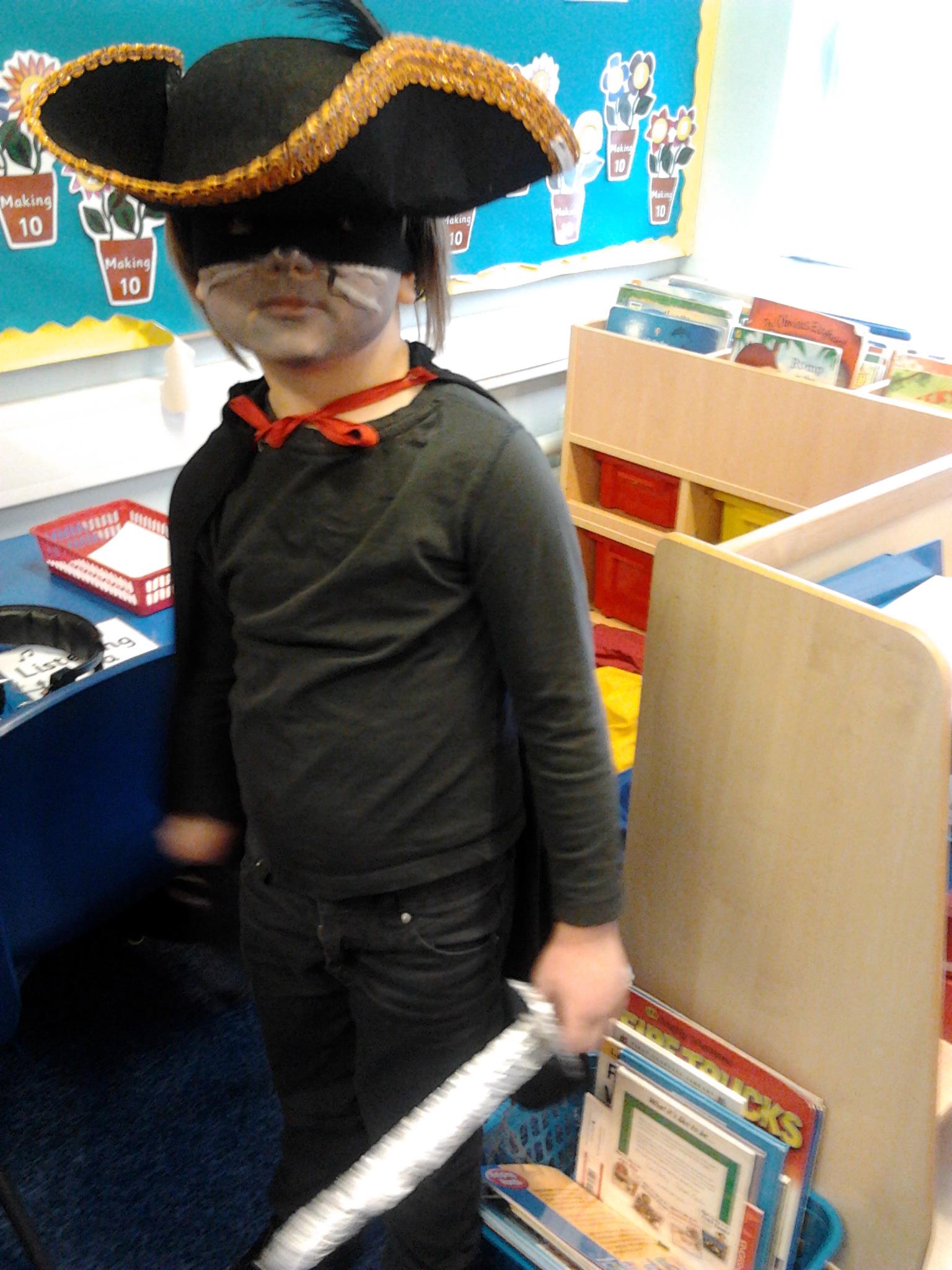
Role play and drama is an important part of literacy in Year 1.

Role play and drama is an important part of literacy in Year 1.

Reading

During Year 1, your child will be exposed to a range of fiction, poetry and non-fiction texts.  Your child’s teacher will read aloud to them daily.  Your child’s reading will be listened to weekly.

Your child will be expected to gradually develop automatic recognition of more and more high frequency words (ask Paul or Christine at Better Tuition for a list of these); phonetically read and spell two and three-syllable words; begin to recognise and use digraphs; recognise that some letters, such as ‘c’, can make two different sounds (‘cat’ or ‘ceiling’).

S/he will be taught to identify the main events and characters in stories, find specific information in texts and make predictions that show understanding of ideas, events and characters.  S/he will develop an understanding of the structure of texts (e.g. beginning, middle, end).

Children will be encouraged to select books for personal reading.

Writing

In Year 1 children are encouraged to invent spellings using their knowledge of phonics.  They learn to form lower-case letters correctly and begin to leave a space between words.  They write diaries, stories and non-fiction texts.  They also learn to use a computer keyboard.  They learn to use capital letters and full stops and present their written work in simple sentences.

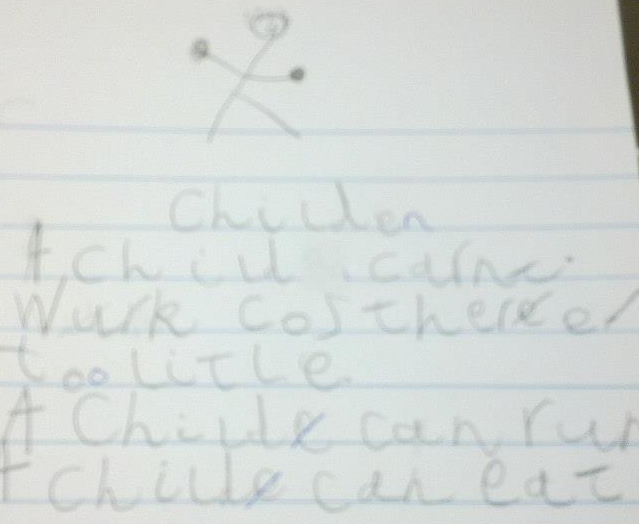
Year 1 children may invent spellings based on their knowledge of phonics.

Year 1 children may invent spellings based on their knowledge of phonics.

Your child will choose what to write about, plan their writing and create short, simple texts on paper combining words with images.

Word Structure and Spelling

Your child will learn to spell new words using phonics; move from spelling simple CVC words such as ‘dog’ to words including adjacent consonants, e.g.‘hard’ and common digraphs, e.g. ‘this’; become increasingly aware that sounds such as /ae/ can be spelt with ‘ai’, ‘ay’ or ‘a-e’.

The Year 1 Phonics Screening Check

All Year 1 children take the Phonics Screening check.  This is a simple reading exercise which is designed to check their understanding of phonics.  You can read more about the Year 1 Phonics Screening Check here and download a practice paper here.

Help with Literacy for Year 1 Children

If you are concerned about your child’s progress, the first person to speak to is their teacher. If you would like more information about what to expect in Year 1, your first port of call should be school. You may also like to try our 10 Ways to Help Your Child Succeed in Reading and Writing.  However if you do feel that your child would benefit from some extra support in the form of tuition, please get in touch with Paul Syrett or Christine McLaughlin at Better Tuition to book your FREE assessment.

Print Friendly, PDF & Email
Posted in English, Key Stage 1, literacy, Maths, Uncategorized | Tagged , , | 1 Comment

10 Ways to Help Your Year 1 Child Succeed in Reading and Writing

This week we are blogging about Year 1: what to expect; how to help and how assessment will be carried out.  This is the first in our series of Year 1 posts, which follows on from our Nursery and Reception series.

By the end of Reception, your child is expected to be able to write and read simple words, but please don’t panic if the literacy lightbulb has yet to illuminate above your little learner’s head.  Controversy rages among educational experts and commentators as to the ‘correct’ age at which a child should start school.  Most recently, Guardian columnist Deborah Orr examined claims that we send our children to school too early, and the issue of whether children are really ready to start reading and writing before the age of seven has been a hotly debated matter for decades.

Your Year 1 child needs your support in reading and writing.

Your Year 1 child needs your support in reading and writing.

Young learners don’t learn at a constant pace: today’s slow starter is tomorrow’s brilliant mind (and vice-versa, unfortunately).  So there is no need to worry if your child hasn’t grasped reading and writing.  We do have to work within the system we are given in the UK, however, so parents and carers do need to support Year 1 children in reading and writing.  Whether your child is a slow starter or a fast-developing reader, read on for ten excellent ways to support them in reading and writing.

1.  Encourage, encourage, encourage and never be critical of their reading mistakes.  If they misread a word, be very subtle in how you correct it.  Nod, smile and say the word as though they had read it correctly – this works!

2.  Don’t jump in to help them with a word they are having trouble reading.  Give them time to think about it or sound it out.  Let them feel comfortable with asking for your help when they need it.

3. It’s important that children who find literacy tough do not begin to see books as ‘not for them’.  If your child struggles to read, ask them to describe a much-loved story book by talking about the pictures.  

4.  In Year 1 your child may begin to read independently.  This is a lovely thing.  Usborne First Readers are a good source of easy reading material for children.  Urmston Bookshop have a good stock of these and will order in whatever they don’t have in stock.

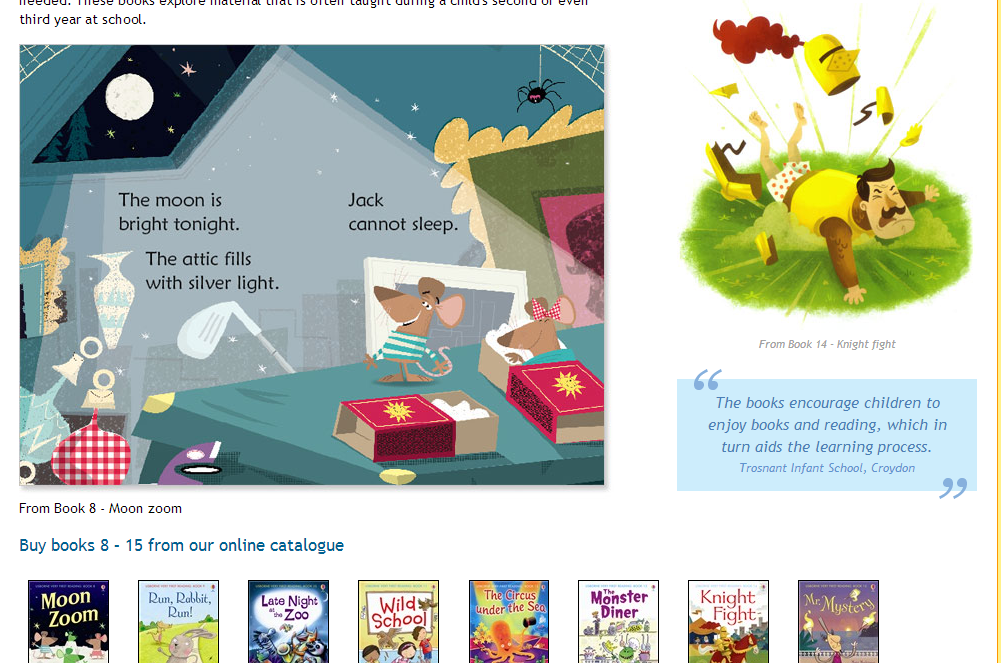
Usborne first readers help your child develop independence in reading and writing.

Usborne first readers help your child develop independence in reading and writing.

5.  Encourage your child to read in bed at night or in the car when shuttling from one place to another.  This will help your child see reading as a normal and enjoyable part of life.

6.  Get your child a drawing board or a large (at least A3 size) whiteboard and a supply of pens.  Scribbling away to their heart’s content will help them build confidence in their ability to write.  The brilliance of whiteboards is that whatever you write on them is temporary (and if it’s very marvellous, you can photograph it) so that mistakes don’t matter.  Never correct their whiteboard work; when children express themselves with words maybe only they can read, their interest in reading and writing grows and evolves.

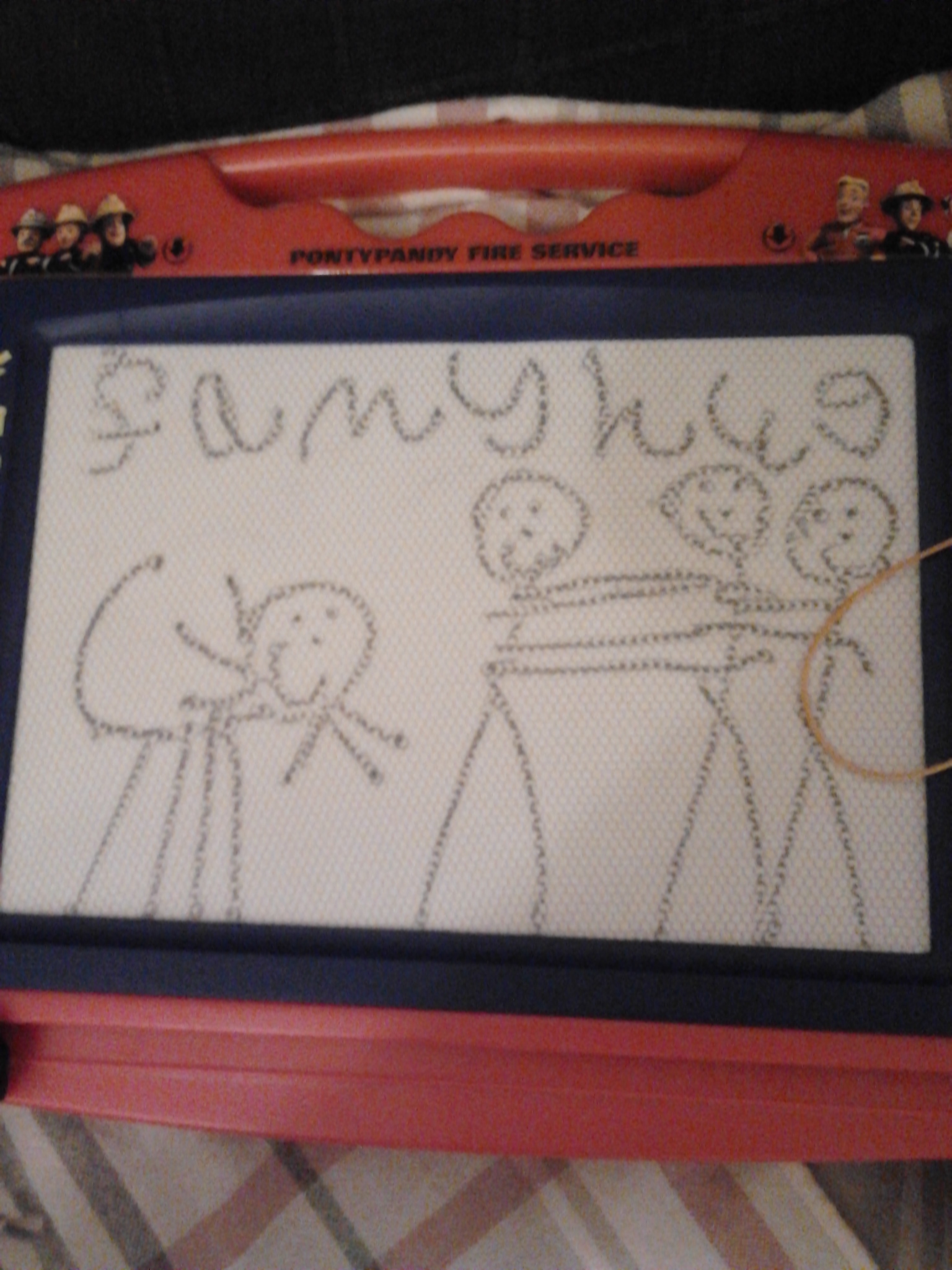
A drawing board will encourage your child to write.

A drawing board will encourage your child to write.

7.  Can your child read the first 100 high frequency wordsDownload them here and work your way through them.

8.  To help your child practise tricky words, play noughts and crosses, bingo or snowman.

9.  Visit starfall.com for fun, literacy based activities.

10.  Be patient: your child may not be ready to read until s/he is seven years old.  There is no need to panic.  If you do feel that your child needs more help with literacy, the first thing to do is to speak to his/ her teacher.  Few schools will assess your child at this age for specific learning difficulties such as dyslexia.  This is generally because indicators such as letter reversals and difficulty in remembering spellings are commonplace at this age.  If you feel your child would benefit from some out of school help, feel free to contact Paul Syrett or Christine McLaughlin at Better Tuition to book a free, no obligation assessment.  We are the leading providers of tuition in the Urmston and Stretford area and we are experts in our field.  We can often reassure parents who are concerned about their Year 1 child’s progress and if tuition is needed, we can design an individual learning plan for your child that will result in rapid progress.

First image courtesy of AKARAKINGDOMS / FreeDigitalPhotos.net

Print Friendly, PDF & Email
Posted in English, Key Stage 1, literacy, Reading, Top tips | Tagged | 3 Comments

World Book Day 2013 in Urmston, Stretford, Manchester and beyond

World Book Day 2013 is on Thursday, and schools all over Urmston, Stretford and the universe in general are celebrating with dressing up days (come as your favourite character), read-with-parents events and author visits.  Eight books have been specially issued at the bargain price of £1 to celebrate World Book Day 2013.  You can view the books here.

World Book Day 2013

World Book Day 2013

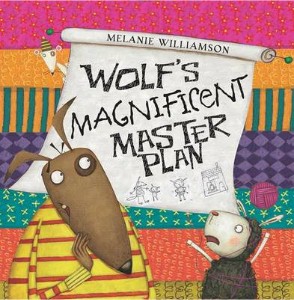
Your child can spend their World Book Day 2013 token until 24th March in any participating bookshop, but out little boy wouldn’t dream of spending his token anywhere other than Urmston Bookshop on Flixton Road.  As part of the World Book Day 2013 celebrations, Urmston bookshop is running a special event with author Melanie Williamson from 2-5pm.  Aimed at children aged 5-8, there will be story reading aplenty, help to draw some of Melanie’s fabulous characters, and the chance to play the intriguing Pin the Teeth on the Wolf game.   Tickets are priced at £3 and must be booked in advance.

World Book Day 2013 in Urmston

World Book Day 2013 in Urmston

Kumon are planning a Time to Read Together event in Urmston Library.  There will be story telling, a fancy dress competition and a presentation from the library manager.  The event is free, but places must be booked and you can read more about the event here.

Purists complain that World Book Day has become more about dressing up than reading books, but we disagree.    Dressing up helps books come to life. We love seeing hordes of Harry Potters, Gruffalos and Willy Wonkas heading for school with renewed enthusiasm for all that books can bring.  If your child needs an easy costume, try these helpful suggestions from Mumsnet.  You could also visit Bon Fabrics at Davyhulme Circle.  They have lots of costumes for World Book Day and will order in for you.  They also have accessories such as hats or moustaches to polish off your homemade outfits.  If you need ideas for World Book Day 2013 costumes for teachers or other adults, read our blog about easy World Book Day costumes for adults.

Print Friendly, PDF & Email
Posted in English, literacy, News and Updates, Reading | Tagged , | Leave a comment