Maths for Grammar School Entrance Exams/ 11 Plus

An easy-to-follow guide to 11 plus/ grammar school entrance exams maths
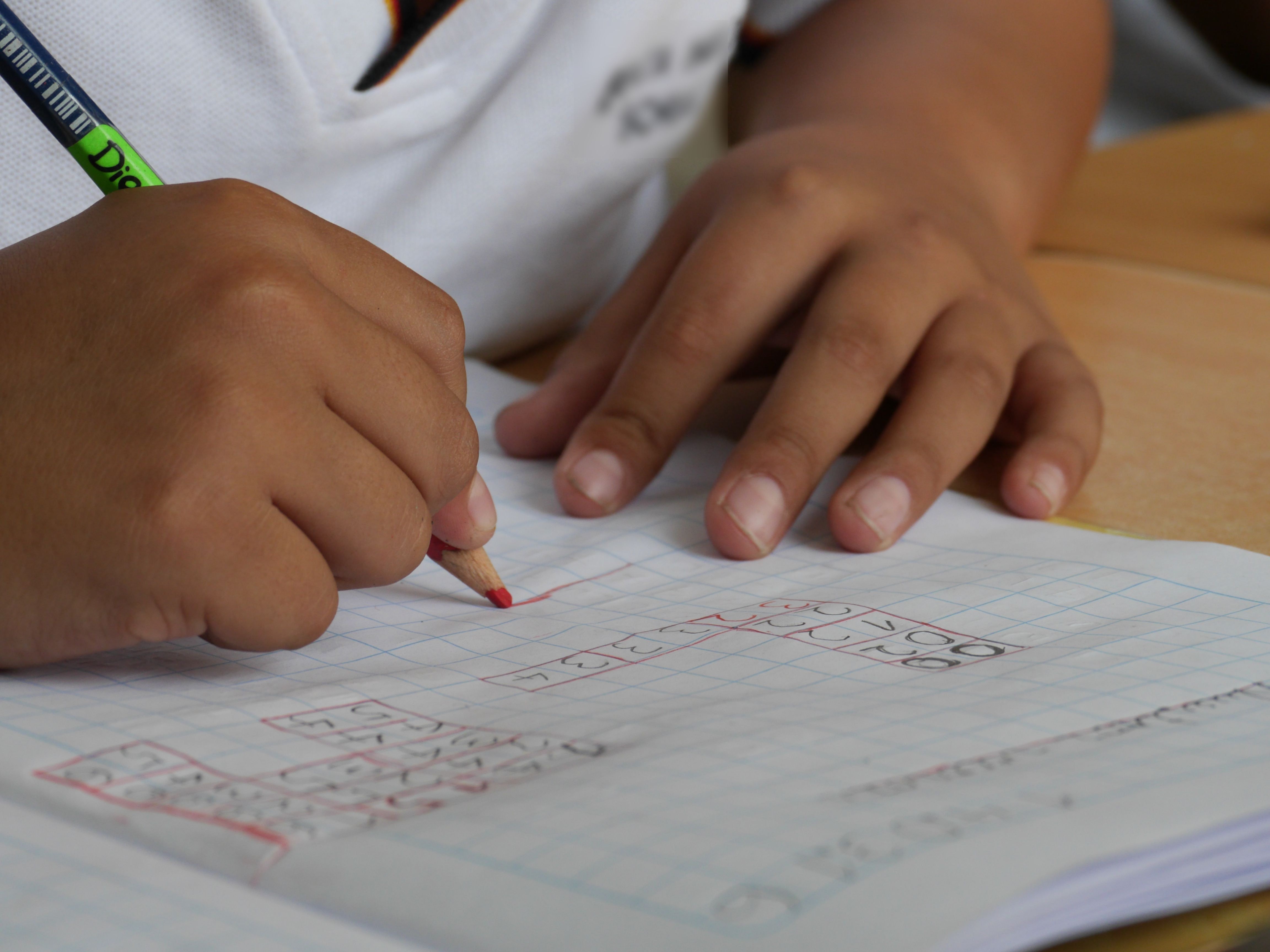
entrance exam maths

Whether your child is sitting entrance exams in CEM or GL format, their maths skills will be assessed as part of the process. It’s very important that your child knows what to expect. S/he will also need to demonstrate mastery of maths in many topic areas. Click to download our list of entrance exam/ 11 plus maths topics. Whilst it is true that your child will cover most topics in school, s/he will undoubtedly benefit from extra practice in entrance exam maths.

The format of the maths test

This varies according to school. All information is correct at the time of writing.

1) CEM format

In Trafford this includes Altrincham Grammar School for Girls, Sale, Stretford and Urmston Grammar Schools. The CEM exam format mixes short sections of maths, verbal and non-verbal reasoning. Short maths involves calculations designed to assess your child’s technical numeracy. Long maths involves multi-step word problems designed to assess your child’s understanding of maths, as well as technical ability. CEM generally follows a multiple choice format, with some open-ended questions. The answer grids can be tricky to grasp and it is essential that children have practice in filling them in. Click to book a practice entrance exam with Better Tuition

2) GL Assessment format

In Trafford this includes Altrincham Grammar School for Boys. GL Assessment examinations are multiple choice. Children will answer questions on a range of topics, most (but not all) of which will be covered in school.

St Ambrose College sets its own entrance exam, which is broadly similar to GL Assessment format, with the addition of some open-ended questions.

Click to book a practice entrance exam with Better Tuition

2) Loreto

Loreto is a Catholic girls’ grammar school, which sets its own exam. Loreto’s maths exam is similar to a Key Stage 2 SATs reasoning paper. You can read more about these here on our website. Questions are open-ended (i.e. NOT multiple choice). At Better Tuition, we tailor our examinations to your target school, so we are able to offer a Loreto-style paper.

Click to book a practice entrance exam with Better Tuition

What is the required standard?

11 plus/ entrance exam maths exams are based on the maths your child has learned at school. As you would expect, a very high standard is demanded. The papers are extremely challenging and good reasoning skills are as important as the ability to carry out calculations.

Whilst it is important to cover topics such as probability, algebra and averages, core skills are the foundation of all maths learning. Your child must be able to perform the four operations (addition, subtraction, multiplication and division) quickly and confidently. A sound knowledge of times tables is essential. Your child should be confident enough to work quickly under pressure and careful enough to answer accurately.

Number Skills in Verbal and Non-Verbal Reasoning

Perhaps unexpectedly, number skills are sometimes tested in the verbal and non-verbal reasoning parts of entrance exams/ 11 plus. Your child may be asked to complete a sequence, balance an equation or work out the relationship between numbers. In non-verbal reasoning, your child may be asked to complete a sequence (mainly GL Assessment).

Helping your child prepare for 11 plus/ entrance exam maths

Make sure that your child’s core skills are all secure. This will help them solve problems quickly and efficiently. Use practice papers to help familiarise your child with the exam format. Visit our download store for FREE practice papers. We strongly recommend that you book a practice test with Better Tuition in order to give your child experience of a formal examination situation. You may also wish to contact us to book tuition, summer school or a Maths Masterclass. Call Paul Syrett or Christine McLaughlin any time on 0161 748 3912 and we will be happy to help.

How Practice Exams Help

A successful practice examination can be a real confidence boost, but a low score is arguably even more valuable. This is because you can very easily pinpoint areas of weakness. It’s not always about poor technical skills or understanding. Sometimes, children need to develop time management skills. Sometimes, children do not read the question carefully. A poor initial score can spark determination in your child to master 11 plus/ entrance exam maths.

We write our own papers, which closely mirror the ‘real’ exams. Marked papers are returned to you so that you can help your child with any errors s/he has made. Beware: many practice exam providers do not return papers to you and some even use photocopied CGP or GL papers, which your child may already have encountered.

Don’t put it off:  book a practice test with Better Tuition today.

How Tuition Can Help with Entrance Exam Maths

Better Tuition offers high quality one-to-one tuition within a small group setting. Our lessons are engaging and tailored to the individual. It should go without saying that ALL our tutors are fully qualified teachers. Staggeringly, many tuition centres use tutors who are not educated beyond GCSE level. We offer weekly lessons during term time, flexible learning over summer, practice entrance exams and entrance exam masterclasses.

Our tuition centre just a short walk away from Urmston Grammar School. Paul Syrett, joint founding director of Better Tuition, previously taught at Urmston Grammar as well as Stretford Grammar, Loreto and St Ambrose College. Since 2008 we have helped hundreds of children secure a place at grammar school. Contact Paul or Christine and find out today why we’re better.


Print Friendly, PDF & Email
Posted in Entrance Exams, Maths, Uncategorized | Tagged , , , , | Leave a comment

Primary School Multiplication Tables Check Made Simple

Who will sit the times table test (MTC)?

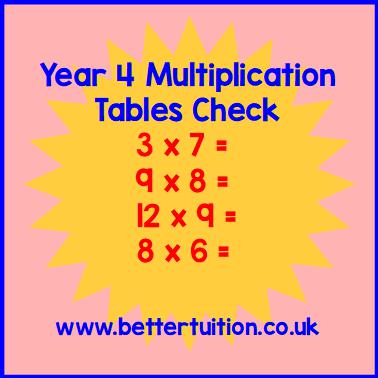
Year 4 Multiplication Tables Check

Find out more about the MTC at www.bettertuition.co.uk.


UPDATE: If your child is currently in Year 4, s/he will sit the Multiplication Tables Check (MTC) in the three-week period between Monday 3 June and Friday 14 June..

What is the purpose of the Multiplication Tables Check (MTC)?

MTC stands for Multiplication Tables Check. This is a new test, introduced by the government to ensure that every child leaves primary school knowing times table facts up to 12 x 12. All children are expected to know times tables up to 12 x 12 by the end of Year 4. From 2020, all Year 4 children will sit the primary school Multiplication Tables Check (MTC).

When will the test be taken?

The test will be taken during the month of June. Your child’s school may not tell you when the test is scheduled, to avoid creating the stress of a big build up.

What is the format of the times table test (MTC)?

Year 4 Multiplication Tables Check

Year 4 Multiplication Tables Check


The test will be carried out on a computer or tablet in school. Your child will input his/ her own answers. Any wall charts displaying times tables will be removed from the room before the test.

The test will take no more than five minutes and children will answer 25 questions. They will have 6 seconds to answer each question. There will be a pause of three seconds after they answer, before the next question is asked.

There are 121 multiplication facts from 2 x 1 to 12 x 12. The MTC will ask questions from the full range of tables, with a particular focus on the 6, 7, 8, 9 and 12 times tables. This is because those tables are considered more challenging. No questions will be repeated.

Children with SEND will be appropriately supported during the test.

How will I find out my child’s result?

The tests will be instantly marked. However, it is not likely that children will be given their individual score. Similarly, it is unlikely that school will report scores to parents. Pupils’ individual results will be given to schools and the Department for Education (DfE) will report national results.

There is no pass mark and so your child cannot fail the MTC. However, the check will help teachers identify which children need more help to remember times tables facts.

How can I help my child prepare for the times table test (MTC)?

There are lots of ways to support your child in memorising times table facts. Repetition and regular practice are extremely important. Read our post on helping your child learn times tables.

Maths Frame have a Times Tables Test Simulator here on their website, which will give you a good idea of what to expect.

If you feel your child needs extra support with times tables or any other aspect of study, Better Tuition can help. Call Paul or Christine now on 0161 748 3912 to book your FREE assessment at our Ofsted-registered tuition centre in the heart of Urmston, Manchester. We are qualified teachers and we have helped thousands of children achieve and succeed in school.

Print Friendly, PDF & Email
Posted in Key Stage 2, Maths | Tagged , , , , , , | Leave a comment

Words About Winter: a FREE Creative Writing Workbook

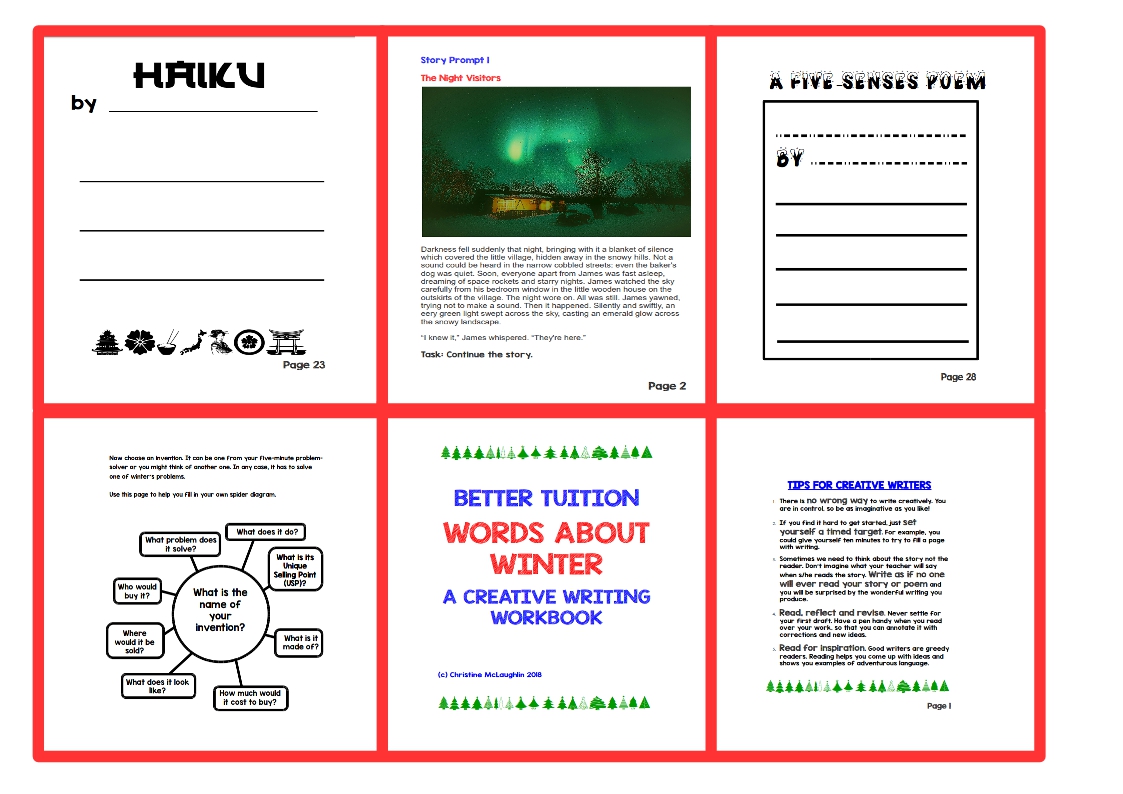
Winter is an exciting time for children. Our FREE creative writing workbook aims to channel that excitement into a creative response. With nearly 50 pages of winter-themed poetry, prose and drama, Words About Winter is perfect for any child in Years 4, 5, 6 and beyond.

creative writing workbook FREE

We have included guided exercises in narrative and descriptive passages, found poetry, acrostics, haiku, tanka and five-senses poems as well as storyboards and scripts. We also explore the art of editing and revising our first drafts.

Important as they are, spelling punctuation and grammar are not the main focus here. Words About Winter aims to develop young writers’ imagination and creativity. There is little mention of Christmas. Instead we take as inspiration the beauty of a frosty morning, the mystery of winter’s long, dark nights and the warmth of a blazing fire, crackling in the grate.

Click to download Words About Winter: A Creative Writing Workbook.

This resource is completely FREE and photocopiable. You don’t need to give any information about yourself. It’s an instant download.

If you are looking for further winter-themed activities in maths, English, verbal and non-verbal reasoning, visit our advent activity calendar or download our 100 Winter Word Problems (Maths).

Print Friendly, PDF & Email
Posted in English, Key Stage 2, literacy | Tagged | Leave a comment

Cyberbullying: Stop, Speak, Support

Some cyberbullies hide behind aliases. Some are simply emboldened by lack of face-to-face contact. Some are unaware of the impact of their unkind words. What is certain is that cyberbullying is now a part of young people’s online lives.

Anti-Bullying Week 2018 has taken on cyberbullying with a new campaign to end the culture of verbal and emotional abuse online.

What is Cyberbullying?

Cyberbullying is online behaviour designed to upset, disrespect, exclude or harass targeted individuals. Its effects and motives are the same as ‘in real life’ bullying. Young people are particularly vulnerable to cyberbullies because they often feel unable to switch off the devices which bring the abuse directly into their private spaces. What’s more, young people may not be tuned in to the subtle techniques some cyberbullies use – so they may not even know they are being bullied.

How Can I Deal with Cyberbullies?

The first step is to break the silence. Cyberbullies often depend on their victims saying nothing, so that they can carry on making them miserable. Social networks have policies against cyberbullying and you can report users for bullying behaviour. If the network is on the ball, they may be banned or suspended.

You may not want to invite your parents into your ‘private’ online world, but nothing is really private online. You may need adult support to help you deal with a difficult situation. If you don’t want to talk to your parents, speak to a nice teacher at school.

There is some great advice on cyberbullying on the BullyingUK website.

Am I a Cyberbully?

Sometimes we share or like comments without really thinking about it. It’s important to stop and think before you do this. Is this comment unkind? Would it upset me? You might feel you want to upset the person it’s aimed at – things can get heated online – but you have to remember that stuff you post online is there forever. Even if you delete comments, someone could have taken a screenshot and saved it. Don’t say things in the heat of the moment.

People will say things you don’t like online. You have every right to disagree with them, but you should respect their right to disagree with you! You can have a debate without abusing others. If someone makes comments you cannot respect, just block them and move on.

What Should I Do if I See Cyberbullying?

The Anti-Bullying Alliance advises you to “Stop, Speak, Support” whenever you see online bullying. If you see online bullying, you can report the bully to whichever social media platform they are using. You can speak up against their behaviour and let their ‘victim’ know they have your support. Of course, an online bully can turn on you when you speak up, so if they are really nasty, you might want to block them before they get the chance. Again, it can be a good idea to get an adult involved.

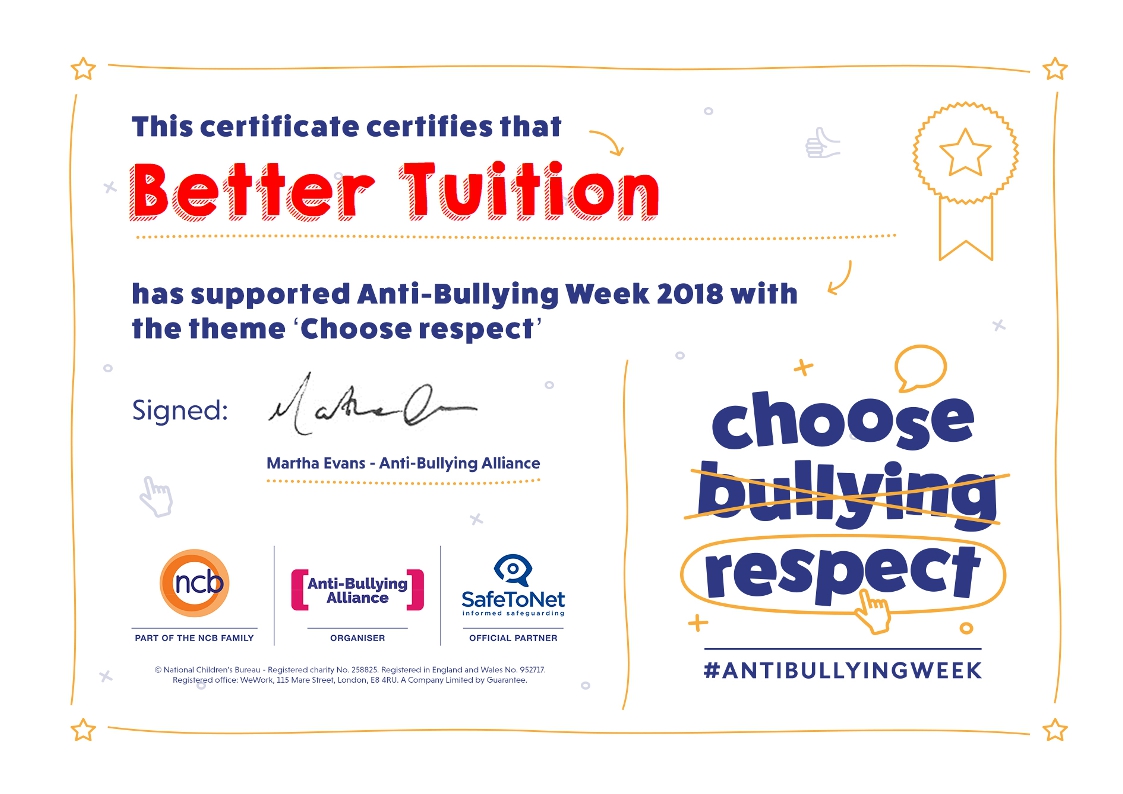
anti bullying week certificate

Better Tuition supports Anti-Bullying Week 2018.

Dealing with bullies is never easy but people care more than you realise. Ask for help and support and you will find there are plenty of people who will stick up for you.


Print Friendly, PDF & Email
Posted in Uncategorized | Leave a comment

Introductory Practice Entrance Exam/ 11 Plus 2019: Early Bird Registration

Practice Entrance Examinations

Book Better Tuition's introductory practice entrance exam.

Book Better Tuition’s introductory practice entrance exam.

We are now taking bookings for our practice entrance exams/ 11 plus.

Book a Practice Entrance Exam

Our introductory practice entrance exam will take place on Sunday, 24th February, 2019, from 9.30 – 11.30 am. The location for our examination will be The Venue, 15 Westbourne Rd, Urmston, Manchester, M41 0XQ. This examination will combine maths, English, verbal and non-verbal reasoning and will include elements of both GL and CEM-style format examinations. The cost is £40. You can find the dates for our future practice exams here on our practice entrance exam page.

Our introductory examination will offer your child a gentle, yet challenging introduction to entrance exams/ 11 Plus. For most Year 5 children, this will be the first time s/he has been tested in unfamiliar surroundings. Furthermore, s/he may not yet be familiar with the format of GL/ CEM exams. This, together with the pressure of timed sections, can be very daunting, but our experienced team are here to help your child take it all in their stride.

Our practice papers are not available anywhere else, so you don’t need to worry that your child will be faced with papers they have already completed. We have been helping children prepare and succeed in grammar school entrance exams for over ten years. Our previous customers tell us that our exams offer an experience which is extremely similar to the ‘real’ examinations.

Your child’s papers will be marked and returned to you within five working days. Please note that many practice exam services do not return papers. This reduces the overall effectiveness of the practice exam. To get the most out of the examination, you need to go over the paper with your child. This will give you the opportunity to establish why s/he has lost marks. This could be due to running out of time; nerves; lack of understanding or even what we adults like to call ‘silly mistakes’. Whatever the reason, only a close look at your child’s exam paper will reveal the areas in which s/he needs to improve.

To book, just click below and select your preferred examination.

Book a Practice Entrance Exam

Any problems? We can take payment and bookings over the phone. Call Paul or Christine on 0161 748 3912 and we will organise your booking.

The dates of our exams can be found on our practice entrance exams page.

If you would like to look at the quality of our exam papers, take a look at our download store where you will find FREE practice entrance exam/ 11 plus papers. For more general information about entrance exams in Trafford, please visit our entrance exam information page.

Print Friendly, PDF & Email
Posted in Entrance Exams | Tagged | Leave a comment

Times Tables: Helping Your Child at Home

Times tables are extremely important. Your child will need to understand and learn multiplication facts up to 12 x 12 by the end of Year 6.

Children need to understand multiplication before they begin learning times tables.

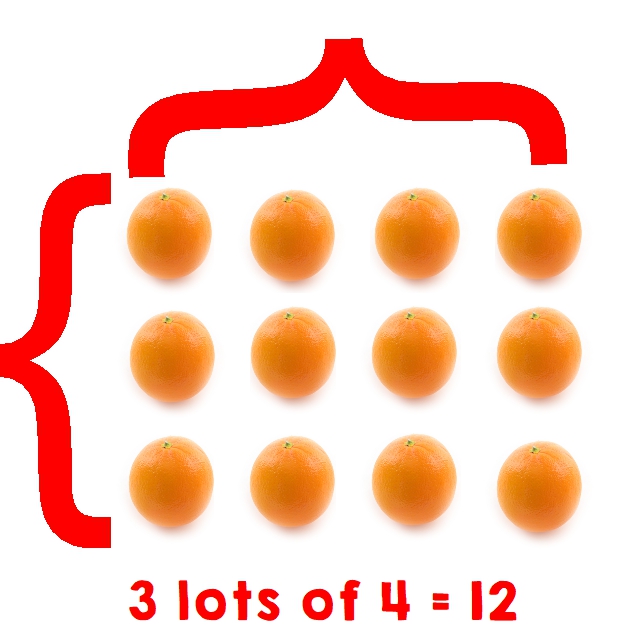
What is multiplication? Put simply, multiplication is an easy way to add a number more than once. In other words, 3 x 5 is the same calculation as 5 + 5 + 5.

better tuition times tables graphic

You can use anything to show your child multiplication in real life: pencils, spoons, anything at all. For example, take five apples to demonstrate ‘one lot of five’. Then take five more apples to demonstrate ‘two lots of five’ and so on.  You can use Lego or other blocks to convey all sorts of maths ideas. This video gives you an idea of how to do this:

Until your child understands the concept of multiplication, there will be little point in learning times tables. What’s more, if your child doesn’t have a good grasp of simple addition (adding up), you will have a tough job in helping them understand times tables. So you might need to take your time and keep practising addition or just counting in 2s until your child is ready to move on. Don’t push it. You want times tables to be ‘real’ and not just some sets of numbers your child has memorised like a robot. If you take the right approach, division is very easily learned alongside times tables, so it’s worth taking your time.

Make times tables matching cards

You can print out our Times Table Matching Cards – we have made a blank and a 2 times table example – or you can simply make your own very easily.  Use them in the following ways:

  • Play snap.

  • Match up in pairs, i.e. match 3 x 2 with 6.

  • Make matching more challenging: lay the cards out face down and take it in turns to find matching pairs.

  • Lay out all the cards then remove one. Ask your child to identify which card is missing

Other games you can play

  • Telepathy – ask your child to ‘read your mind’ to guess which multiplication fact you are thinking of.

  • Noughts and crosses – write a multiplication question in each square in your noughts and crosses grid. Players must supply the answer in order to place their nought or cross in a square.

  • Bingo – each player chooses six multiplication facts from the times table you are working on. The caller gives the first part of the multiplication fact, e.g. “3 x 2 … 6 x 2 … 9 x 2”. Each player can cross off their number when the multiplication fact is called. The winner is the first player to cross off all six numbers.

Other Times Table Resources

Once your child has covered the times tables, you will want to work on speed of recall. There is an abundance of resources to help you with this. YouTube is a rich source of times tables songs (some dreadful – and therefore very memorable!). You can also buy workbooks to support times tables. Just have a look in your local bookstore and choose the one you think will best engage your child’s interest.

Better Tuition can help with times tables

If your child is really struggling with times tables or any other aspect of maths, why not book a free assessment with Paul Syrett or Christine McLaughlin at our Urmston tuition centre? Better Tuition is the longest-established tuition centre in Urmston and over the years we have helped hundreds of children achieve and succeed in school. Don’t put it off: click on the ‘Book a FREE assessment’ button on the right or give us a call now on 0161 748 3912. Find out today why we’re better!

Print Friendly, PDF & Email
Posted in Key Stage 1, Maths, Uncategorized | Tagged | Leave a comment

Greater Manchester Independent Schools: Entrance Exams 2019

If your child is sitting entrance examinations for independent schools in Greater Manchester in 2019, you will find it useful to know the dates and format of each examination. I have included all the schools for which I am currently preparing students. If I have missed any, please let me know and I shall add them to the list.

2019 Dates – Independent Grammar School Entrance Examinations

School                                               Date of Entrance Examination

Stockport Grammar                          Wednesday, 9th January 2019

Withington Girls’ School                   Friday, 11th January 2019

St Bede’s                                          Saturday, 12th January 2019

Manchester High School                  Tuesday, 15th January 2019

Bolton School                                   Thursday, 17th January 2019

Manchester Grammar School          Wednesday, 23rd  January 2019

2019 Exam Formats

School

Maths

English

Essay Writing

Verbal Reasoning

Non-Verbal Reasoning

Group Task

Bolton School: Girls

YES

YES

NO

YES

YES

NO

Bolton School:Boys

YES

YES

NO

NO

YES

YES

Manchester Grammar

YES

YES

NO

NO

NO

NO

Manchester High

YES

YES

YES

YES

YES

NO

St Bede’s

YES

YES

NO

YES

YES

NO

Stockport Grammar

YES

YES

YES

YES

NO

NO

Withington Girls’ School

YES

YES

YES

YES

NO

NO

The above is an outline of the examination papers on the day of each school’s entrance exam day. Some of the schools require children to attend the school on an additional day during which they may be interviewed or otherwise assessed for their suitability. It is advisable to contact each school to find out their exact requirements.

If your child needs extra support in preparing for these examinations, please get in touch with our entrance exam experts. Paul Syrett and Christine McLaughlin will be happy to help. Please note that all tuition takes place at our Urmston tuition centre.

Print Friendly, PDF & Email
Posted in Entrance Exams | Tagged , , , , , , , , | Leave a comment

Key Stage 2 SATs 2020: Your Two-Minute Guide

If your child is currently in Year 6, s/he will be taking Key Stage 2 SATs in May 2020. Here is your super-speedy, two-minute guide to Key Stage 1 SATs 2020, for extra-busy parents.

Read our two-minute guide to Key Stage 2 SATs.

Read our two-minute guide to Key Stage 2 SATs.

Key Stage 2 SATs will run during the week commencing 11th May. Year 6 children sit papers in:

  • Reading;

  • English Grammar, Punctuation and Spelling

  • Maths

(1) Reading

Children will sit one reading paper as part of Key Stage 2 SATs

  • Children will answer questions about three texts.

  • The test will take one hour, including reading time.

  • The reading test will be closely linked to the curriculum.

  • Question types include sequencing; matching; labelling; vocabulary; short answer and open-ended answer.

(2) Grammar, Punctuation and Spelling 

Children will sit two separate papers as part of Key Stage 2 SATs.

  • Paper 1: Grammar and Punctuation. Children will be asked to answer two types of questions about grammar and punctuation. Type one is selected response (e.g. ‘Identify the prepositions in this sentence.’). Type two is constructed response (e.g. ‘Rewrite the following sentence with correct punctuation.’). Paper one takes 45 minutes.

  • Paper 2: Spelling.  Children will complete an aural spelling test of 20 words. Paper two will last 20 minutes.

(3) Maths

Children will sit three separate papers as part of Key Stage 2 SATs.

  • Paper 1: Arithmetic. Children will be asked to answer questions using the four operations (adding, subtracting, multiplication and division of whole numbers and fractions). This will include long multiplication and division (e.g. 35 x 256 or 987 ÷ 8). This paper will take 30 minutes to administer.

  • Papers 2 & 3: Reasoning. Children will be asked to solve problems and demonstrate reasoning skills. Question types include multiple choice, completing a table or a chart and explaining methods used to arrive at an answer. This paper will take around 35 minutes to administer. The time allowed for each paper is 40 minutes.

  • Children are not allowed to use calculators, number lines or any other tools.

Marking and Scores

The papers will be marked externally. Your child will be given a scaled score. A score of 100 means that your child is meeting expectations for his/ her age. A score below this suggests that a child is working below expectations and a score above 100 indicates that a child is working above the expected standard. The lowest possible score is 80 and the highest possible score is 120.

Science

In 2020, selected schools will complete a KS2 Science ‘sampling’ SATs paper. Around 9,500 children will be randomly selected. Selected schools will administer the tests within the 2 week period from Monday 8 June 2020. These tests are for sampling purposes only and their results are never given to the children.

More Information

You can read more about Key Stage 2 SATs in the government’s official information leaflet for parents.

Supporting your child

Is your child currently preparing for Key Stage 2 SATs? Perhaps they have recently completed them and been identified as not meeting the required standard. Either way, Better Tuition can help. Please call Paul Syrett or Christine McLaughlin on 0161 748 3912 and find out how we can help your child achieve and succeed in school. You can book a FREE assessment or FREE trial lesson at our tuition centre in the heart of Urmston. We are currently celebrating ten years in the business of helping children reach their full potential. You have nothing to lose and so much to gain so why not take that step now and find out today why we’re better?

Print Friendly, PDF & Email
Posted in Key Stage 2, literacy, Maths, SATs, Uncategorized | Tagged | Leave a comment

Key Stage One SATs 2025: Your Two-Minute Guide

UPDATED: February 2025

If your child is currently in Year 2, s/he will likely be taking Key Stage 1 SATs in May 2025. These tests are no longer statutory, however most schools do opt to run the tests. Here is your super-speedy, two-minute guide to Key Stage 1 SATs 2025, for extra-busy parents.

Read Better Tuition's two-minute guide to Key Stage 1 SATs.

Read Better Tuition’s two-minute guide to Key Stage 1 SATs.

Year 2 children sit papers in:

  • Reading;

  • Optional English Grammar, Punctuation and Spelling (schools may decide not to use it);

  • Maths

(1) Reading

Children will sit two separate papers as part of Key Stage 1 SATs:

  • Paper 1: This paper generally includes shorter texts with simpler vocabulary and questions focused on identifying main ideas, key details, and basic comprehension. Children will read a selection of texts totaling 400 to 700 words and answer questions spread throughout the paper. Questions will include a mix of multiple choice options and short answer responses to demonstrate understanding of the text. Around 30 minutes will be allowed.

  • Paper 2: Children will read a booklet comprised of a longer passage totaling 800 to 1100 words. They will answer questions in a separate booklet. Questions will include a mix of multiple choice options and short answer responses to demonstrate understanding of the text. Around 40 minutes will be allowed.

  • The tests are not strictly timed and each paper is worth 50% of the marks available for reading.

  • Text types may include fiction, non-fiction and poetry.

  • Question types include multiple choice; sequencing; matching; labelling; vocabulary; short answer and open-ended answer.

  • Each paper is worth 20 marks.

(2) Spelling, Punctuation and Grammar (SPAG)

Children will sit two separate papers as part of Key Stage 1 SATs.

  • Paper 1: Spelling. Children will be asked to spell 20 words. This paper will take around 15 minutes to administer.

  • Paper 2: Grammar, Punctuation and Vocabulary.  Questions will require multiple choice selection, short answers and labelling. The paper is divided into two sections and will take around 20 minutes to complete.

  • Each paper is worth 20 marks.

(3) Maths

Children will sit two separate papers as part of Key Stage 1 SATs.

  • Paper 1: Arithmetic. Children will be asked to answer questions using the four operations (adding, subtracting, multiplication and division) as well as some basic fractions work. These questions require fixed responses and are designed to test basic calculation skills. This paper will take around 20 minutes to administer.

  • Paper 2: Mathematical Fluency. Children will be asked to solve problems and demonstrate reasoning skills. Question types include multiple choice, completing a table or a chart and explaining methods used to arrive at an answer. This paper focuses on applying mathematical concepts to real-life situations, often including a mix of question types like matching, visual representation, and interpreting data. Some questions will be read aloud by the teacher. This paper will take around 35 minutes to administer.

  • Paper 1 is worth 25 marks, whilst Paper 2 is worth 35 marks.

  • Children are not allowed to use calculators, number lines or any other tools.

Marking and Scores

The papers will be marked by teachers within your child’s school. Your child will be given a scaled score. A score of 100 means that your child is meeting expectations for his/ her age. A score below this suggests that a child is working below expectations and a score above 100 indicates that a child is working above the expected standard.

The Future for Key Stage 1 SATs

The government has made Key Stage 1 SATs non-statutory. This means that schools are able to choose whether to administer the tests or not. You can read more about Key Stage 1 SATs in the government’s official information leaflet for parents.

Supporting your child

Is your child currently preparing for Key Stage 1 SATs? Perhaps they have recently completed them and been identified as not meeting the required standard. Either way, Better Tuition can help. Please call Paul Syrett or Christine McLaughlin on 0161 748 3912 and find out how we can help your child achieve and succeed in school. You can book a FREE assessment or FREE trial lesson at our tuition centre in the heart of Urmston. We are currently celebrating 17 years in the business of helping children reach their full potential. You have nothing to lose and so much to gain so why not take that step now and find out today why we’re better?

Print Friendly, PDF & Email
Posted in Key Stage 1, literacy, Maths, Reading, SATs, Uncategorized | Tagged , , | 1 Comment

Anti-Bullying Week 2018: Choose Respect

Anti-Bullying Week 2018 will run from 12th – 16th November with the theme of ‘Choose Respect’.  Run by the Anti-Bullying Alliance, the week aims to show young people that bullying is a choice. By showing respect for others, even when we don’t agree with them or don’t like them, we can create safe spaces where everyone can play and grow without fear of being picked on.

ABW diagram

As part of the week, the Anti-Bullying Alliance is holding Odd Socks Day again on 12th November. Odd Socks Day is part-fundraiser, part-conversation-starter. Schools and other organisations can take part by wearing odd socks on 12th November and paying £1 to help fund future Anti-Bullying Weeks.

Odd Socks Day Banner

We love Odd Socks Day. It’s a lovely idea as it’s so easy to take part.  What’s more, it gently raises the idea that though we may all be different, we can still get along together perfectly well. You can find out how to take part in Odd Socks Day by following this link.

And there’s more. Thursday, 15th November will focus on cyberbullying. ‘Stop, Speak, Support’ aims to challenge and identify bullying behaviour online and give children (and adults) strategies to overcome this. Cyberbullying is pretty widespread. Many children are too immature to understand how to conduct themselves online. As a result, many bully or fall victim to bullying when interacting online. We’ll be posting more about this during Anti-Bullying Week.

Stop Speak Support Day

For more information about Anti-Bullying Week and how to get involved, visit the Anti-Bullying Alliance website. You may also like to follow the Anti-Bullying Alliance on Twitter, YouTube and on Facebook.

Finally, we all need to play our part in standing against bullying, so why not take a couple of minutes to share their posts on your own social media channels? You never know how much effect you could have on a bullied (or bullying) child.

Print Friendly, PDF & Email
Posted in Events and Activities, News and Updates | Tagged , , , | Leave a comment